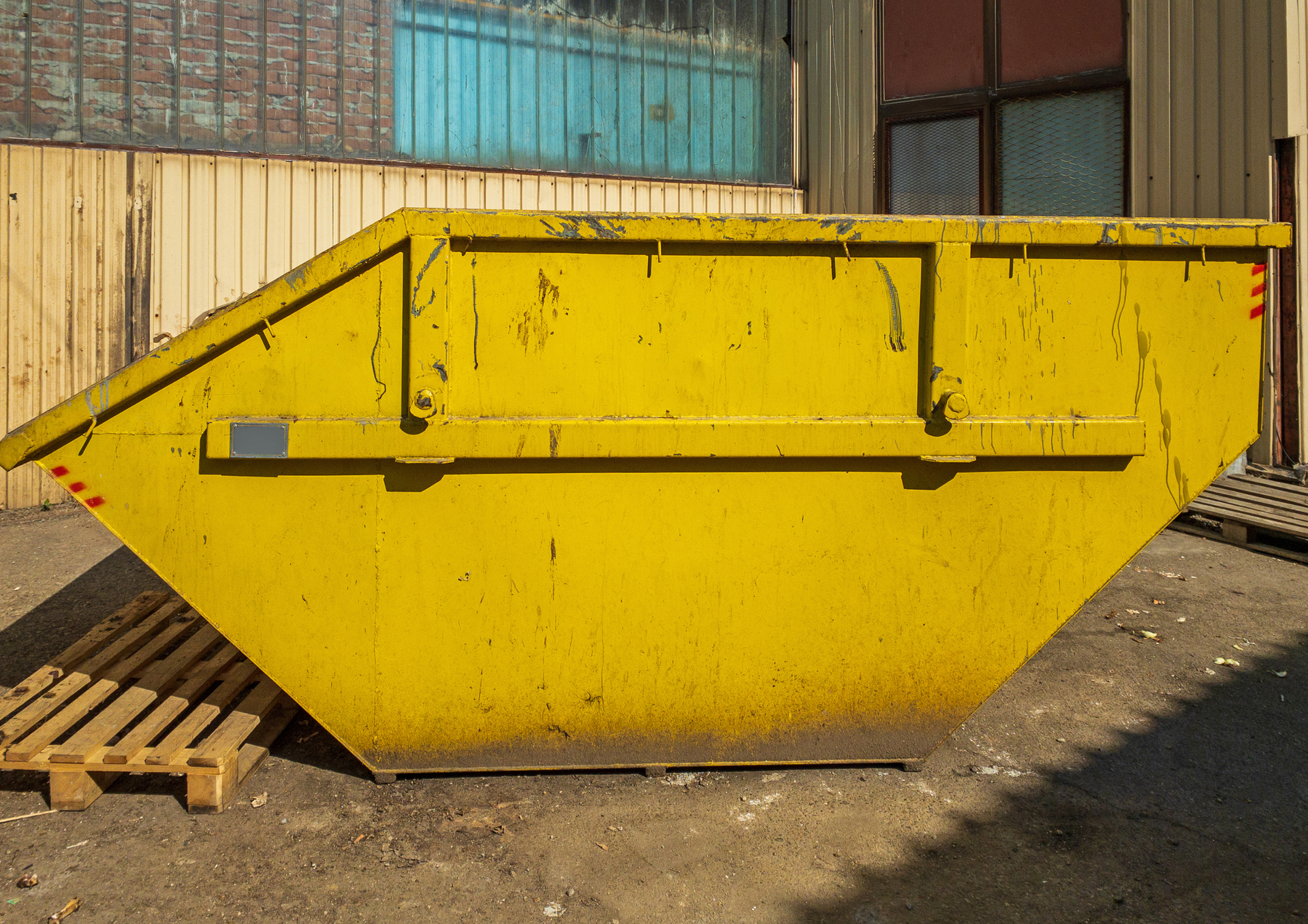

How Same Day Skip Hire Helps Keep Your Project Running on Schedule
Keeping a project on schedule requires more than organising labour, materials and access. Waste management also needs careful consideration because unwanted materials can accumulate surprisingly quickly. During a home renovation, property clearance, landscaping project or commercial refurbishment, having nowhere suitable to place waste can restrict working space and interrupt planned activities. Arranging same day skip hire can provide a practical way to manage these materials before they become an obstacle.
Prompt waste removal is particularly useful when the amount of rubbish produced is difficult to predict. A relatively straightforward renovation can uncover old fixtures, damaged materials or other items that were not included in the original plan. Similarly, a commercial clearance may produce considerably more unwanted furniture, packaging and general waste than expected. Having an appropriate container available helps keep these materials together rather than allowing them to spread across the site.
Effective planning is equally valuable for homeowners, landlords, surveyors, local authorities and those responsible for residential or commercial properties. Waste should be considered alongside deliveries, contractor access and other practical arrangements from the beginning of a project. When removal is organised around the work rather than treated as an afterthought, it becomes easier to maintain clear areas and keep different stages progressing in the intended order.
The objective is not simply to remove rubbish quickly. A well-organised approach considers the volume of material, suitable capacity, available placement space and expected project duration. Combining these considerations can make waste management a straightforward part of the schedule rather than something that causes disruption later.
Planning Waste Removal Around Your Project Schedule
Waste management works best when it forms part of the original project plan. Thinking about when materials are likely to accumulate, how much space will be available and when removal will be required can prevent avoidable interruptions. This applies to everything from a small household clearance to a substantial commercial refurbishment.
Before Work Begins
- Estimate the likely quantity of waste based on the scale and type of work being completed.
- Identify which stages of the project are expected to generate the greatest amount of unwanted material.
- Check that sufficient space is available for delivery and subsequent collection.
- Consider vehicle access, gates, parked cars and other obstacles that could affect placement.
- Discuss the expected duration of the project so that collection arrangements can be considered in advance.
During Renovation Work
- Keep demolition and renovation materials contained rather than allowing them to accumulate throughout the property.
- Load waste regularly as work progresses to maintain usable space for contractors, tools and new materials.
- Monitor how quickly the available capacity is being used so later stages can be planned appropriately.
- Avoid leaving decisions about additional waste removal until the existing container is already full.
When Timing Is Flexible
- Not every project requires an immediate delivery, particularly when work has been planned well in advance.
- Customers considering next day skip hire may find it suitable when they know when work will begin and have enough time to organise the site beforehand.
- Scheduling delivery shortly before waste-producing work starts can prevent a container occupying valuable space unnecessarily.
- Coordinating delivery with tradespeople can also make the first working day more productive.
Towards Project Completion
- Review the remaining waste before arranging final removal so that unfinished tasks are not overlooked.
- Allow sufficient time for last-minute clearing after contractors have completed their work.
- Check garages, gardens, storage spaces and other areas that may contain materials intended for disposal.
- Organising the final clearance carefully can make the transition to cleaning, decorating or handover considerably easier.
Planning in this way provides greater control over the project. It also allows customers to identify potential waste-related delays before they affect other activities, making it easier to coordinate different stages of work.
Reducing Delays When Waste Builds Up Unexpectedly
Even a carefully organised project can produce unexpected waste. Opening walls, removing old kitchen units, clearing an occupied property or beginning external work can reveal materials that were difficult to estimate beforehand. When this happens, same day skip hire can help prevent an unplanned increase in rubbish from interfering with the working schedule.
One of the main challenges created by accumulated waste is loss of usable space. Contractors may need clear areas for tools, equipment and materials, while homeowners may still need access to parts of the property during renovation. Piles of unwanted material can make movement more difficult and force workers to reorganise the site repeatedly. Providing a designated location for waste allows materials to be removed from active working areas as they are produced.
Unexpected waste can also interfere with deliveries. Building materials, new fittings, appliances and equipment often arrive according to predetermined schedules. If the intended unloading or storage area is occupied by discarded materials, the next stage of the project can become more complicated. Removing waste promptly helps preserve space for incoming items and reduces the need to move materials multiple times.
The same principle applies to commercial properties. Retail units, offices, managed buildings and other premises may need refurbishment work to take place alongside normal operational requirements. Maintaining organised working areas can reduce disruption for staff, contractors, visitors and neighbouring occupiers. Waste removal therefore becomes part of wider project coordination rather than simply a final clean-up activity.
Landlords can face similar pressures when preparing properties between tenancies or completing maintenance work. Furniture, flooring, old fittings and general unwanted items may need to be cleared before decorators or other trades can begin. If one stage is delayed because the property has not been cleared sufficiently, several later appointments may also be affected.
Surveyors and those coordinating larger property works may need to consider waste requirements across several stages. Demolition materials generated early in the project may differ considerably from packaging and offcuts produced during fitting and finishing. Understanding these changing requirements allows disposal arrangements to support the wider programme.
There is also value in avoiding unnecessary handling. Moving unwanted materials from one temporary location to another takes time and labour without progressing the actual project. Providing a suitable disposal point allows waste to be handled more efficiently, helping workers concentrate on productive tasks.
Prompt arrangements are most effective when combined with realistic planning. Immediate availability cannot replace choosing the correct capacity or preparing adequate access. Customers should still consider the expected waste volume, placement requirements and material types before booking. A quick response is most valuable when it forms part of an organised approach rather than being used to compensate for avoidable planning problems.
Ultimately, reducing delays is about keeping each stage ready for the next. When waste is controlled effectively, demolition can move into preparation, preparation into installation, and installation into finishing without unnecessary obstacles occupying the site.

Choosing the Right Skip Size and Preparing for Delivery
Selecting suitable capacity is important because both undersized and unnecessarily large containers can complicate a project. Customers should consider the type of work, likely volume of waste and available placement space before making their choice. Preparation before delivery can then help the process proceed efficiently.
Household Clearances
- Consider which rooms, cupboards, lofts, garages or external storage areas are being cleared.
- Separate items that are staying at the property before estimating the amount requiring disposal.
- Remember that bulky furniture and household items can occupy significant space even when the total number of items appears relatively small.
- Allow for additional unwanted materials that may be discovered as the clearance progresses.
Renovations and Refurbishments
- Consider the materials being removed before new fixtures or finishes are installed.
- Kitchens and bathrooms can generate bulky units, fittings, packaging and renovation debris.
- Larger property refurbishments may benefit from planning waste requirements around individual stages rather than estimating everything as one quantity.
- Discussing the project with the provider can help determine a practical capacity.
Commercial and Managed Properties
- Offices, retail premises and other commercial properties may produce furniture, fixtures, packaging and general clearance waste.
- Those managing several areas should consider whether waste will be produced simultaneously or gradually.
- Local authorities, surveyors and property managers may also need to coordinate removal with contractor schedules and site access.
- Clear arrangements can help minimise disruption to other people using or visiting the property.
Preparing the Site
- Identify a practical location before the delivery vehicle arrives.
- Remove vehicles or movable obstacles from the access route where necessary.
- Consider whether the chosen position will remain accessible throughout the project.
- Avoid placing other materials where they could obstruct loading or later collection.
- Confirm any relevant placement arrangements before delivery rather than resolving them when the vehicle reaches the site.
People searching for same day skip hire near me should consider these practical requirements alongside availability. A locally accessible service can be useful, but selecting appropriate capacity and preparing the site properly are equally important for keeping the project organised.
A few minutes spent checking access and estimating waste can prevent significant inconvenience later. Good preparation allows the container to become part of the working layout, providing a convenient disposal point without unnecessarily interfering with other activities.
Coordinating Collection with the Final Stages of the Work
Delivery is only one part of effective waste management. Collection also needs to fit around the project, particularly when the property is approaching completion. Removing a container too early can leave customers without sufficient capacity for final waste, while leaving it in place longer than necessary may restrict access required for landscaping, cleaning, deliveries or other finishing activities.
A useful approach is to review progress before confirming removal. Contractors should have completed the work most likely to generate substantial waste, but there should still be enough time to load remaining offcuts, packaging and discarded materials. This creates a natural transition between the main construction or clearance phase and the final preparation of the property.
For domestic renovations, final waste may include packaging from newly installed products, small quantities of old material discovered during finishing work and offcuts left by tradespeople. Garden projects can have a similar final stage, particularly after fencing, landscaping or external repairs. Waiting until these activities are sufficiently advanced can reduce the chance of needing another disposal arrangement for a relatively small amount of material.
Commercial projects may require more careful coordination. New furniture, equipment or stock might need access immediately after refurbishment work finishes. Removing waste and freeing external space at the appropriate time can therefore support the next phase of the project. Property managers may also need to coordinate cleaners, contractors and occupants around the same period.
Arranging same day skip collection can be particularly useful when a completed container needs to be removed promptly so that access can be restored or another stage can begin. Customers should nevertheless communicate their requirements clearly and arrange collection according to actual project progress rather than an assumed completion date.
Good communication becomes especially important when schedules change. Building work can take longer than anticipated because of material deliveries, additional repairs or changes to the planned scope. Conversely, a straightforward clearance may finish earlier than expected. Keeping collection arrangements aligned with real progress provides greater flexibility than treating the original schedule as fixed regardless of circumstances.
It is also helpful to conduct a final check before removal. Areas such as garages, gardens, storage rooms and temporary workspaces can contain waste that was overlooked during the main project. Checking these spaces before collection helps ensure the available capacity has been used effectively.
Once removal is complete, the property can move into its final stage with fewer obstructions. Driveways can be cleared, external areas restored and contractors can concentrate on cleaning, finishing and handover. Coordinating collection carefully therefore supports the schedule right through to completion rather than treating waste management as something separate from the project.
Skip Hire Northwich provides a straightforward way for homeowners, landlords, surveyors, local authorities and those responsible for residential or commercial properties to arrange practical waste removal in Northwich and the surrounding area. Our approach focuses on clear communication, suitable skip selection and organised delivery and collection arrangements that complement the requirements of each project.
Whether you need a container for a household clearance, refurbishment, garden project or larger property development, we aim to make the booking process simple and informative. For projects where waste needs to be managed promptly, same day skip hire can provide a practical option when availability allows. We understand that project schedules can change, which is why discussing access, expected waste volumes and preferred timings beforehand can help establish the most appropriate arrangement.
For projects requiring a
same day skip, customers can discuss their requirements and available options so that waste management can be planned around the work taking place. By combining local knowledge with a practical approach to residential and commercial waste removal, we help customers keep their sites organised while providing a dependable service from initial enquiry through to collection.
Check out our latest X update on how
same day skip hire helps keep your project running on schedule.
You might also like