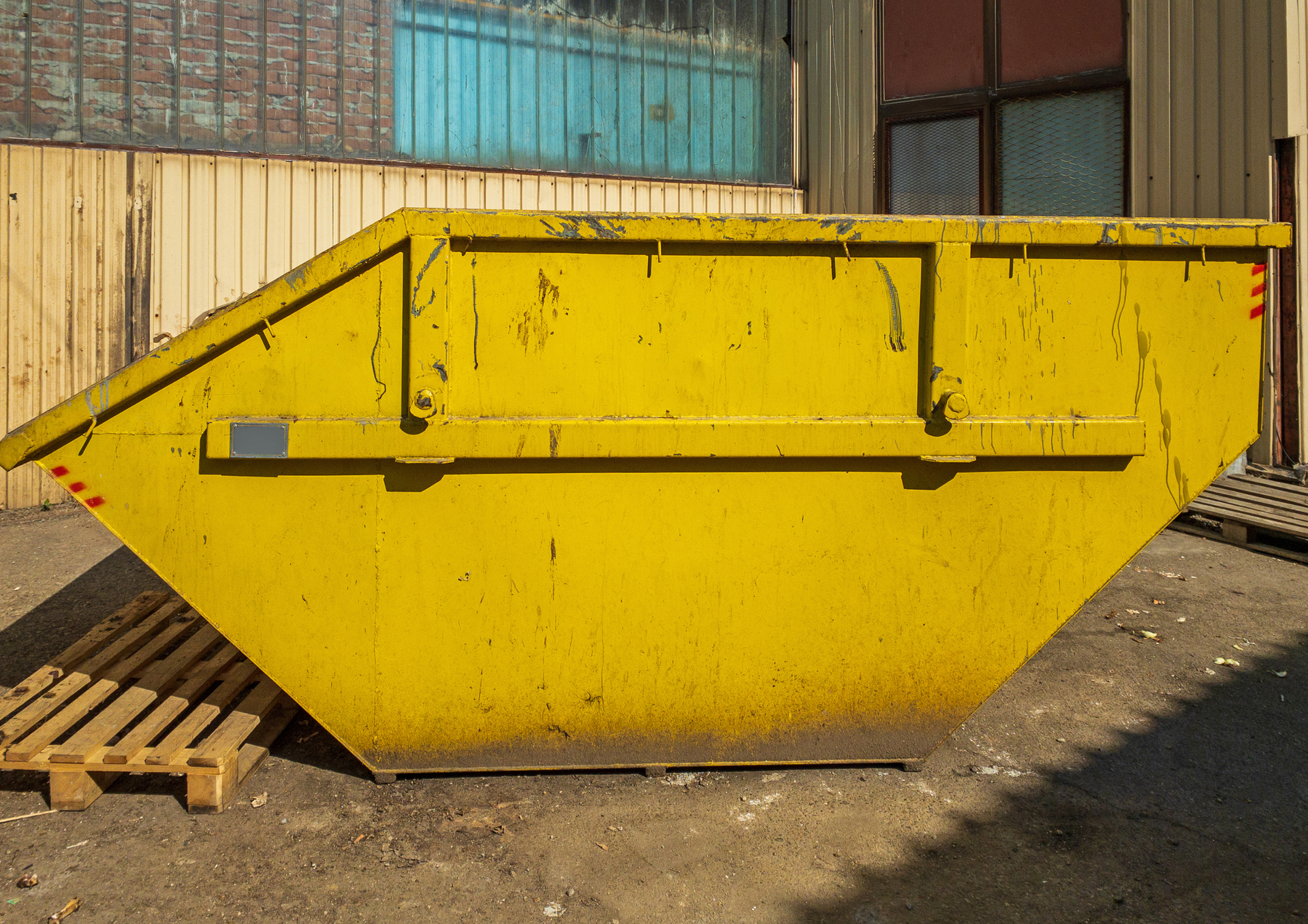

Practical Ways to Keep Skip Hire Prices Affordable for Your Project
Planning waste removal carefully can make a noticeable difference to the overall expense of a household clearance, renovation, building project or commercial refurbishment. When comparing skip hire prices, it is useful to consider more than the initial quotation. Skip size, waste type, hire duration, access arrangements and the amount of material being removed can all influence how much customers ultimately spend. Making informed decisions before booking can therefore help achieve better value without sacrificing dependable service.
For homeowners, landlords, surveyors and local authorities, efficient waste removal can also make properties easier to manage while work is taking place. The same applies to residential and commercial projects where accumulated rubbish can occupy valuable space, obstruct access and slow down progress. Planning ahead means waste can be handled as part of the project rather than becoming an unexpected problem later.
Although individual requirements vary, the principles behind cost-effective waste removal can be applied to projects of almost any scale or location. Estimating waste accurately, selecting suitable capacity and organising the work before delivery can help customers make better use of their chosen service. Taking time to consider access, expected waste volumes and project timescales can also reduce avoidable complications and create a smoother waste removal process from beginning to end.
Plan Your Waste Removal Before Booking
Good preparation is one of the simplest ways to control waste removal expenses. Before arranging a skip, customers should consider what they intend to dispose of, how much material the project is likely to produce and how long the work is expected to take. A little preparation can prevent rushed decisions and help ensure the chosen service matches the actual requirements of the project.
Estimate the Waste Volume
- Look at the entire project rather than only the waste already visible. Renovations and clearances can produce considerably more material once work begins.
- Consider whether bulky items will occupy a large amount of container space even if the overall number of items appears relatively small.
- Separate items that do not need to be discarded before estimating the required capacity.
- For larger projects, divide the work into stages and consider how much material each stage is likely to generate.
Organise Waste Before Delivery
- Sorting materials beforehand can make loading quicker once the container arrives.
- Flatten suitable items and dismantle bulky furniture where practical to make better use of the available capacity.
- Keep the intended placement area accessible so delivery can take place without avoidable complications.
- Make sure everyone involved in the project understands what materials are intended for disposal.
Consider the Project Timescale
- Estimate how long the clearance, renovation or building work will realistically take.
- Avoid booking too early if waste will not be ready for loading.
- Coordinate the hire period with contractors or other people working at the property.
- Arrange the project so that waste-producing tasks can be completed within an organised timeframe.
Compare Overall Value
- Customers searching for cheap skip hire should consider reliability, service quality and what is included rather than judging a provider entirely by the lowest advertised figure.
- Clear booking information can make it easier to understand what customers are receiving for their money.
- Reliable delivery and collection can prevent waste management from delaying other parts of the project.
- Local providers may also offer useful guidance based on experience with similar domestic and commercial work.
Planning thoroughly before booking allows customers to approach waste removal with a clearer understanding of what they actually need. This reduces the likelihood of choosing unsuitable capacity or making unnecessary changes once work has started.
Match the Skip to the Amount of Waste You Produce
Choosing appropriate capacity is another important part of keeping waste management economical. A container that is too large may leave customers paying for space they never use, while one that is too small can fill sooner than expected and potentially create the need for another booking. Estimating the volume of material realistically helps strike the right balance.
Small household clearances, garden tidy-ups and decorating projects will usually produce less waste than complete property refurbishments. However, customers should avoid assuming that a physically small project automatically produces a small amount of rubbish. Removing old kitchen units, flooring, fitted cupboards or bulky household items can quickly use available capacity.
Understanding skip sizes and prices can help customers compare options according to the amount and type of waste their project is expected to generate. Rather than automatically selecting the smallest option to reduce expenditure, it is usually more practical to choose a size that provides sufficient capacity for the entire job.
Medium-sized renovation projects often require additional space because several types of waste may be produced simultaneously. Timber, old fittings, packaging and general refurbishment debris can accumulate quickly. Planning for these materials before work begins helps prevent the container from becoming full halfway through the project.
Larger residential developments, office refurbishments and commercial clearances require even more careful assessment. Surveyors, property managers and local authorities may need to coordinate waste removal alongside contractors and other services. Establishing expected volumes in advance makes it easier to integrate disposal into the wider project schedule.
How the skip is loaded also affects the value customers receive from it. Placing large awkward items inside without considering the remaining space can create unused gaps. Where appropriate, breaking down suitable bulky materials and loading the container methodically can make better use of its capacity.
Customers should also consider the available space at the property. A larger option may appear attractive for a substantial project, but it still needs to be positioned appropriately. Driveway dimensions, gates, parked vehicles and surrounding structures can all influence what can realistically be delivered.
Professional advice can be particularly valuable when customers are unsure about capacity. Describing the type of work and expected materials allows an experienced provider to suggest a practical option based on similar projects. Making the right decision initially can be considerably easier than dealing with insufficient space later.

Avoid Unnecessary Costs During the Hire Period
Once the skip has been delivered, managing it properly can help customers receive maximum value from their booking. Simple decisions concerning loading, scheduling and site organisation can prevent avoidable complications while keeping the project moving efficiently.
Load the Skip Efficiently
- Place suitable flat materials carefully so they occupy less room.
- Where practical, dismantle bulky items before loading them.
- Avoid leaving large empty gaps between materials.
- Distribute waste sensibly rather than filling one part of the container first.
- Do not exceed the permitted loading level.
Keep the Project Organised
- Have waste ready for disposal as different stages of the project are completed.
- Encourage contractors or workers to place materials in the correct location rather than allowing rubbish to accumulate elsewhere.
- Maintain clear access to the container throughout the hire period.
- Keep the surrounding area tidy so loading remains straightforward.
Coordinate Collection Carefully
- Monitor how quickly the container is filling as work progresses.
- Avoid leaving collection arrangements until the last possible moment.
- Make sure access remains available when the collection vehicle is expected.
- Inform the provider if project schedules change and different arrangements may be required.
Understand What You Are Paying For
- The overall skip hire cost can be influenced by capacity, location, duration, waste requirements and other practical arrangements, so understanding the service before confirming a booking helps prevent unnecessary surprises.
- Ask what is included in the quotation when making an enquiry.
- Discuss unusual waste materials before placing them in the container.
- Check any relevant placement requirements in advance if the skip cannot be positioned on private property.
Managing the hire period efficiently is particularly important on larger projects where several trades or contractors may be working simultaneously. Establishing a clear waste management process prevents the container from being used inefficiently and helps everyone understand how rubbish should be handled.
Compare Local Providers Without Focusing Only on Price
Affordability matters, but the lowest quotation does not necessarily provide the greatest overall value. Reliable waste removal depends on communication, suitable equipment, organised scheduling and responsible handling. Comparing these factors alongside the quoted amount gives customers a more complete picture of the service they are considering.
A dependable provider should be able to explain available options clearly and help customers understand which solution is appropriate for their project. This is particularly useful for people who do not regularly hire skips and may be uncertain about capacity, placement or collection arrangements.
Customers searching for skip hire prices near me may find several different options, but local experience can be particularly valuable when arranging deliveries around residential streets, commercial premises or properties with restricted access. A provider familiar with Northwich and surrounding communities can take local considerations into account when organising the service.
Communication should also form part of the comparison. Customers should feel comfortable asking questions before confirming their booking. Clear information about delivery, loading requirements, collection and accepted materials helps prevent misunderstandings later.
Reliability can have a direct effect on project efficiency. A delayed delivery may leave builders, contractors or householders without somewhere to place waste, while an unplanned collection issue can interfere with later stages of work. A service that operates efficiently can therefore represent better overall value even when another quotation initially appears slightly lower.
Responsible waste handling is equally important. Reputable providers should manage collected materials appropriately and make use of suitable recycling processes wherever possible. For homeowners and businesses trying to manage projects responsibly, knowing that waste is being handled professionally provides additional reassurance.
Customers should also think about how flexible a provider can be if circumstances change. Renovations sometimes take longer than expected, while property clearances can reveal additional waste after work begins. Being able to discuss changing requirements with an experienced team can make the process considerably easier.
For commercial properties and larger residential developments, dependable scheduling becomes even more important. Waste removal may need to fit around contractors, deliveries and other site activities. Choosing a provider based on overall capability rather than price alone can help prevent disposal arrangements from becoming a bottleneck.
Keeping
skip hire prices manageable begins with good planning rather than simply looking for the lowest advertised quotation. Estimating waste accurately, choosing suitable capacity, organising materials before loading and coordinating the hire period carefully can all help customers make better use of the service they book.
For householders, this might mean planning a garage clearance or renovation before arranging delivery. Landlords may need to coordinate waste removal between tenancies or during property improvements, while surveyors and local authorities can benefit from integrating disposal into wider project schedules. Commercial properties can similarly improve efficiency by considering expected waste volumes alongside access, working hours and contractor requirements.
The right approach should balance affordability with dependable service. Choosing unsuitable capacity simply because it initially appears cheaper can create additional work later, while failing to plan delivery or collection can interrupt an otherwise organised project. Comparing providers on communication, reliability and practical support gives customers a better understanding of the value being offered.
By preparing carefully and selecting a service that genuinely matches the project, waste removal can remain straightforward, efficient and economical from the initial booking through to final collection.
Skip Hire Northwich provides practical waste management support for homeowners, landlords, surveyors, local authorities and customers managing residential or commercial properties throughout Northwich and the surrounding area. We understand that every project produces different quantities and types of waste, which is why our approach focuses on helping customers select a suitable solution for their individual requirements.
Our team aims to make the process straightforward from the first enquiry onwards. Clear communication helps customers understand available options, while organised delivery and collection arrangements allow waste removal to fit more easily around renovation, clearance and construction schedules.
Whether you are undertaking a small household project or coordinating waste from larger commercial work, we focus on dependable service, practical guidance and responsible waste handling. We also provide clear information about skip hire prices, helping customers understand their options and choose a service that provides suitable value for their particular project.
By combining professional support with straightforward arrangements and useful local knowledge, we help customers manage waste efficiently while keeping their projects organised from start to finish.
Check out our latest X update for practical ways to keep
skip hire prices affordable and manage your project waste without unnecessary costs.
You might also like